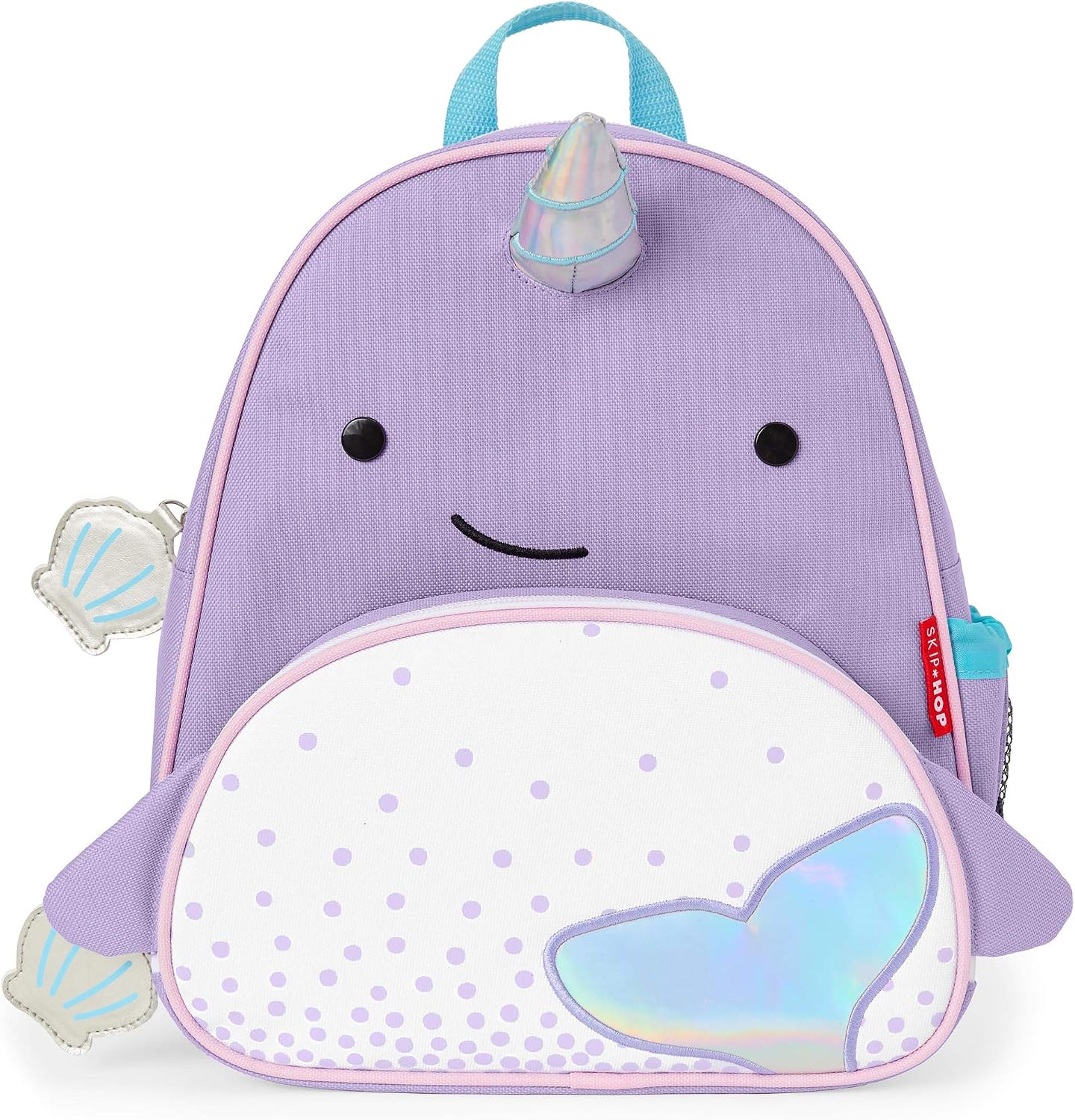
You sent your child to daycare for the first time with a tote bag held together by hope, and by Tuesday it had a broken strap and a mystery stain inside. If that sounds familiar, you’re not alone. A daycare bag — the bag that travels with your toddler every single weekday — has a job description that most bags aren’t built for. It needs to hold a full change of clothes (sometimes two), a lunchbox, a water bottle, a comfort item, and a daily communication folder, all while being small enough that a two-year-old can technically carry it to the cubby and back. Getting this wrong costs you money and patience. Getting it right means one less thing to think about at 7 a.m. This guide breaks down what actually fits, which materials hold up, and how to pick the right size and price point for where your family is right now.
| EDITOR'S PICK[Wildkin Kids 12-inch Toddler Ba…](https://www.amazon.com/dp/B004N8C0RG?tag=greenflower20-20) | Mid-tier[Skip Hop Toddler Backpack](https://www.amazon.com/dp/B00H2CRNVI?tag=greenflower20-20) | Budget pick[STEAMEDBUN Toddler Backpack for…](https://www.amazon.com/dp/B0C7KXQ9WJ?tag=greenflower20-20) | |
|---|---|---|---|
| Dimensions (H) | 12" | — | 12" |
| Age range | 3–7 years | — | 2–4 years |
| Padded | ✓ | — | — |
| Multiple pockets | ✓ | — | — |
| Adjustable straps | ✓ | — | — |
| Price | $29.99 | $24.00 | $12.91 |
| See on Amazon → | See on Amazon → | See on Amazon → |
The Real Packing List: What Has to Fit on Day One
Before you look at a single product, get clear on your daycare’s actual requirements. Most centers send home a checklist. If yours doesn’t, the standard daycare daily load — pulled from guidance published by Parents magazine’s childcare gear coverage — looks roughly like this:
- 2–3 full changes of clothing (shirts, pants, underwear or diapers, socks)
- Spare shoes or indoor slippers (some centers require them)
- A labeled lunchbox with insulated compartment
- A 12–16 oz water bottle
- Nap mat or small blanket (often stored at the center, but sometimes packed weekly)
- Daily report folder or communication notebook
- Wipes travel pack
- 1 comfort item (stuffed animal, small blanket square)
That’s a lot. And it has to fit in a bag scaled for a body that is, at most, three feet tall.
By the numbers:
| Item category | Estimated volume needed |
|---|---|
| 2 clothing changes (rolled) | ~4–6 liters |
| Lunchbox (standard insulated) | ~3–4 liters |
| Water bottle + folder + extras | ~2–3 liters |
| Total realistic daily load | ~10–13 liters |
Most bags marketed as “toddler backpacks” run 8–12 liters. Anything under 8 liters is a day-hike or errand bag, not a daycare workhorse. Anything over 14 liters starts to overwhelm a small child’s frame and typically won’t fit in a standard cubby slot (usually around 12” wide × 12” deep).
What to Look For: The Four Decisions That Actually Matter
Once you know the volume target, the real choice narrows to four variables. This is where parents who’ve done a full year of daycare think differently from parents shopping for the first time.
1. Main compartment structure
A single open-top main compartment (think: a big bucket you reach into) is the easiest for caregivers to access quickly. Structured panels with multiple zip pockets sound organized, but in practice they add weight and make a 10-liter bag feel like 8 liters of usable space. BabyGearLab’s toddler backpack reviews consistently flag this: bags with elaborate internal organizers score lower on real-world capacity tests because pockets eat volume without adding function at this age group.
The sweet spot most reviewers land on: one wide main compartment, one external zip pocket (for the communication folder or a wipes pack), and a side mesh water bottle pocket. That’s it.
2. Strap and back panel construction
Toddler shoulders are narrow and soft. Straps that are too thin (under about 1 inch wide) or have no padding dig in within a block. Straps that are too long can’t be adjusted short enough for a 2-year-old’s torso. Wirecutter’s kids’ backpack guide notes that chest clip straps — the horizontal clip that connects the two shoulder straps across the chest — are a meaningful differentiator: they keep the bag from sliding off rounded toddler shoulders and reduce the pulling sensation that makes kids resist wearing the bag at all.
A sternum strap isn’t a luxury feature at this age. It’s load management. Look for it even on budget picks.
3. Zipper quality and pull size
This is the most underrated spec in every review roundup, and it’s the one owners mention most in long-term feedback. Cheap coil zippers on a bag that gets opened and closed 6–8 times a day by tired adults fail within 3–4 months. Good Housekeeping’s testing notes on toddler backpacks call out YKK-branded zippers as a reliable benchmark — not because the brand is magic, but because it signals the manufacturer paid attention to hardware. Large pull tabs matter too: caregivers at pickup are often juggling a child in one arm, and a tiny zipper pull becomes a small daily frustration that compounds fast.
4. Wipe-clean interior lining
Spills happen. A fabric-only interior absorbs them. A polyester or nylon ripstop lining (the smooth, slightly shiny interior you see on quality lunch bags) wipes clean with a damp cloth. This is the difference between a bag that survives one year and one that survives three — and across multiple siblings if you’re playing that long game.
Parents’ daycare bag coverage is consistent here: water-resistant interior lining is listed as a top priority by parents who’ve gone through the daycare years, above features like decorative appliqués or licensed character prints (which, for what it’s worth, your toddler will care about and you can safely give them if the structure is right underneath).
Three Price Tiers, Three Different Decisions
The daycare bag market in 2026 runs from about $10 to $75 for toddler-appropriate options. Here’s how to think about each band honestly.
Budget tier ($8–$20): Character print bags, basic canvas totes, simple nylon packs
These are the bags you find at discount retailers, on Zazzle custom shops, and as impulse picks at the grocery store. The honest case for them: if your child is in a transitional care situation (part-time, trial run, or a center with unusually high bag-loss rates), a $12 character bag is a sensible hedge. The honest case against: zipper failure is common by month 3, straps rarely have chest clips, and interior linings are usually bare fabric. Treat these as consumables, not investments.
One exception worth flagging: reusable grocery totes in the $8–$15 range. Some daycare centers — especially those that prefer a soft-sided bag over a backpack — actually request these. They hold volume well, wipe clean if made from laminated canvas, and don’t compete with the cubby-space problem. If your center doesn’t require a backpack specifically, a sturdy laminated tote is a legitimate budget call.
Mid-range ($40–$80): The year-round workhorse tier
This is where most considered buyers should land for a primary daycare bag. Brands like Herschel Supply (their Heritage Kids and Little America Mini lines), L.L.Bean (their Small and Medium Original Book Packs), and Lands’ End (ClassMate Small Backpack) are the most frequently cited in this range across Wirecutter, BabyGearLab, and Good Housekeeping’s roundups.
What you’re buying at this price point: YKK or equivalent zippers, padded chest straps, wipe-clean nylon or polyester interiors, and enough structural integrity to last a full school year of daily use — and often a second year for a younger sibling. Owners of L.L.Bean packs in particular note in aggregated reviews that the bags survive machine washing (air dry only), which is a genuine differentiator when a lunchbox leak happens inside the main compartment.
L.L.Bean and Lands’ End both offer monogramming at checkout, which matters for daycare settings where identical bags are common. Turnaround on embroidery personalization runs 5–7 business days standard; if you’re buying for a September start date, order by mid-August to avoid the back-to-school rush surge.
Premium tier ($90–$150): Pottery Barn Kids, boutique canvas, Etsy artisan
The case for spending here is specific: you want a keepsake item, you’re buying for a milestone gift (first day of preschool, for example), or you need a bag that will genuinely pass down across three kids over six years. Pottery Barn Kids’ Mackenzie line is the most-cited name in this tier across Parents and Good Housekeeping — structured enough to hold shape, available in dozens of prints, and backed by a personalization program that puts embroidered names on within the standard lead time.
The case against: at this age, bags get thrown into cubby slots, sat on, and occasionally dragged across parking lots. A $120 structured bag will survive it, but so will an $55 L.L.Bean pack. The premium here is partly for the object itself and partly for the gifting moment. That’s a legitimate reason to spend — just be honest that it’s what you’re buying.
The Decision Rule
If your child is starting daycare for the first time and you want one bag that handles the full year without drama, buy in the $40–$65 range, prioritize a chest strap, wipe-clean lining, and a single wide main compartment with at least a 10-liter capacity. L.L.Bean and Herschel are the most consistently recommended in this window across aggregated editorial sources, and both hold up to the daily grind that your toddler’s caregivers will put them through.
If X, then Y:
- If the bag is a gift (first day of school, baby shower, milestone birthday) → spend to the Pottery Barn Kids or boutique Etsy tier, prioritize monogramming, and order at least two weeks before the date.
- If you have a second child coming within two years → buy L.L.Bean or Lands’ End specifically; owners consistently report surviving the sibling handoff intact.
- If your center is transitional or you’re unsure of the fit → start with a $12–$18 character bag or laminated tote; upgrade once you know the routine.
- If your toddler is resistant to wearing a backpack → prioritize a chest clip strap above everything else. According to BabyGearLab’s evaluations, it’s the single feature most correlated with a child actually keeping the bag on their shoulders.
One last thing: label everything. The bag, the lunchbox, the water bottle, the spare shoes. Daycare cubbies are chaos, and a Sharpie on the tag is worth more than any premium feature on the bag.